
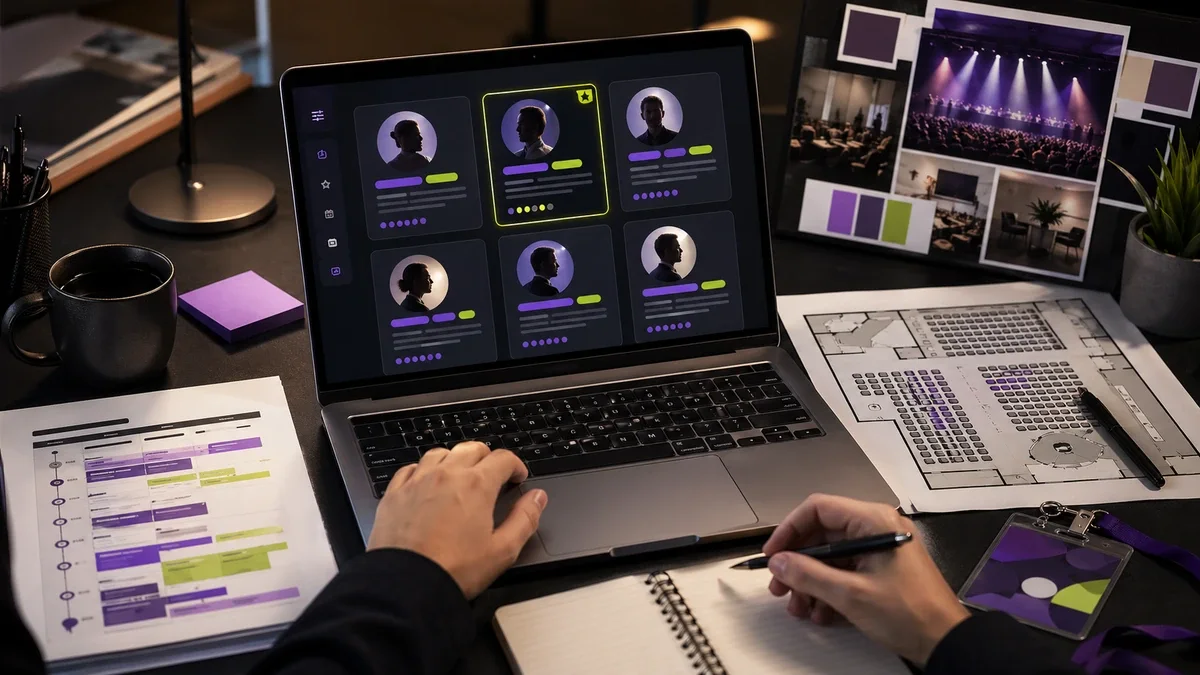
Finding the right keynote speaker can make or break your event. The wrong choice means a forgettable presentation, disengaged attendees, and wasted budget. The right choice means standing ovations, social media buzz, and attendees who remember your event for years. But with thousands of speakers available across dozens of platforms, bureaus, and directories, the search itself can feel overwhelming. This guide walks you through a clear, step-by-step process — from defining your needs to signing the contract — so you can find a keynote speaker who actually delivers.
What to Define Before You Start Your Speaker Search
Jumping straight into browsing speaker profiles is the most common mistake event organizers make. Before you search, clarify five things:
1. Event goals. What should the audience feel, think, or do differently after the keynote? Are you trying to educate, inspire, provoke new thinking, or motivate action? A conference about AI adoption needs a different speaker than a leadership retreat focused on team culture.
2. Audience profile. Who is in the room? C-suite executives respond to different speakers than mid-level managers or university students. Consider their industry, seniority, knowledge level, and what challenges they face daily.
3. Budget. Speaker fees range from $1,000 for emerging professionals to $100,000+ for celebrities and globally recognized thought leaders. Your budget determines which tier of speakers you can realistically book. Don't forget to factor in travel, accommodation, and any technical requirements.
4. Event format. Will the keynote be in-person, virtual, or hybrid? Is it a 20-minute talk, a 45-minute presentation with Q&A, or a full-day workshop? Some speakers excel on a conference stage of 5,000 people but fall flat in a virtual webinar. Others are the opposite.
5. Timeline. When is your event? Top speakers are often booked 6–12 months in advance. If your event is in 8 weeks, your options narrow significantly — but platforms with AI matching can help you find available speakers fast.
Write these five answers down before you start searching. They'll save you hours of browsing irrelevant profiles.
Where to Find Keynote Speakers in 2026
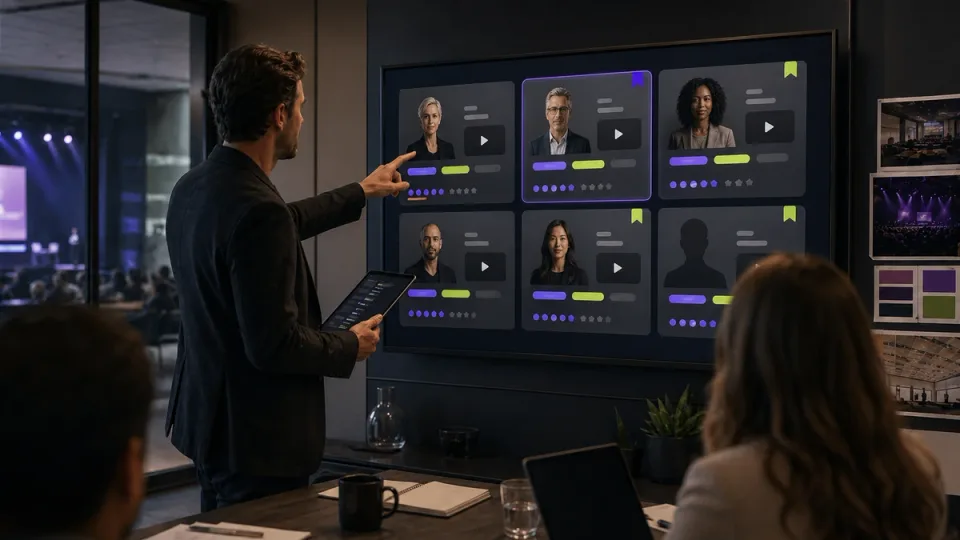
There are six main channels for finding speakers, each with different strengths.
Speaker Booking Platforms
Online platforms like SpeakUp, eSpeakers, and GigSalad let you search speaker databases, filter by topic and availability, and contact speakers directly. The best platforms use AI matching to recommend speakers based on your event details — topic, audience, format, budget, and location.
Platforms work well when you want speed and control. You post a request or search the directory, review profiles with bios, demo videos, and ratings, and message speakers directly. No middlemen, no commissions on most platforms.
Speaker Bureaus and Agencies
Traditional bureaus like BigSpeak, AAE Speakers, or Leading Authorities represent a curated roster of professional speakers. You tell them your needs, and they send a shortlist of recommendations. Bureaus handle contracts, logistics, and speaker preparation.
The trade-off: bureaus typically charge a 20–30% commission on the speaker's fee, and you're limited to their roster. But for premium events with large budgets, the concierge service and vetting process can be worth the cost.
Industry Conferences and Events
One of the best ways to find a speaker is to see them speak. Attend conferences in your industry and take note of who captivates the audience. Review agendas from recent events — most conferences publish their speaker lineups online. If a speaker impressed attendees at a similar event, they'll likely do the same at yours.
LinkedIn and Social Media
Many established speakers build their personal brand on LinkedIn, sharing insights, posting video clips of past talks, and engaging with their audience. Search for thought leaders in your industry, look for people who regularly publish content on your event's topic, and check whether they list speaking as part of their professional activities.
Professional Associations and Networks
Industry associations (like SHRM for HR, AMA for marketing, or IEEE for technology) often maintain speaker directories or can recommend experts who have presented at their events. These speakers tend to have deep subject matter expertise and credibility within the field.
Podcast Guest Directories
If you're looking for speakers who can also serve as podcast guests, panel participants, or media commentators, platforms like SpeakUp let you post requests specifically for podcast and media appearances. This is a growing channel — many of today's most sought-after speakers built their reputation through podcast appearances before they hit the keynote stage.
How These Channels Compare
Speed: Speaker Platform — Hours to days; Speaker Bureau — Days to weeks; DIY Search — Weeks to months.
Cost: Speaker Platform — Free or low fees; Speaker Bureau — 20–30% commission; DIY Search — Your time.
Speaker pool: Speaker Platform — Thousands (global); Speaker Bureau — Curated roster (100s); DIY Search — Limited to your network.
Direct contact: Speaker Platform — Yes; Speaker Bureau — Through bureau; DIY Search — Varies.
Vetting: Speaker Platform — Profiles, reviews, video; Speaker Bureau — Bureau's expertise; DIY Search — Manual research.
Best for: Speaker Platform — Most events; Speaker Bureau — Premium / high-budget events; DIY Search — Events with specific needs.
For most event organizers, starting with a platform gives you the widest selection and fastest results. If you need a celebrity-level speaker or want white-glove service, add a bureau to your search.
How to Evaluate and Vet a Keynote Speaker
You've found a few promising candidates. Now what? Here's how to separate the outstanding from the mediocre.
Watch their videos. This is the single most important step. Don't rely on a bio or topic list — watch at least one full presentation (not a highlight reel). Pay attention to how they engage the audience, handle transitions, and whether their content has real substance or is just motivational platitudes.
Read reviews and testimonials. Look for feedback from event organizers, not just audiences. Did the speaker show up prepared? Were they easy to work with? Did they customize their content for the specific audience? Platforms like SpeakUp show verified ratings from past events, which helps cut through marketing fluff.
Check their credentials. A great stage presence matters, but so does genuine expertise. Have they worked in the field they're speaking about? Have they published research, built companies, or led teams? Google's E-E-A-T principles (Experience, Expertise, Authoritativeness, Trust) apply to speakers too — your audience will know if someone is just recycling talking points.
Schedule a chemistry call. Before signing a contract, have a 15–20 minute call with the speaker. Discuss your event goals, your audience, and what you want attendees to take away. A good speaker will ask smart questions about your audience and suggest ways to tailor their presentation. A red flag: a speaker who talks only about themselves and their standard talk.
Red flags to watch for:
- No video clips of actual presentations (only podcast interviews or selfie-style content)
- Inability to customize content for your specific audience
- Overpromising ("I guarantee a standing ovation")
- Lack of clear topics or expertise areas
- Unresponsive communication before the event
How Much Does a Keynote Speaker Cost?
Speaker fees vary widely depending on experience, reputation, topic, and event format. Here's a general breakdown:
Emerging speakers ($1,000–$5,000): Rising professionals, academics, local experts. Great for smaller events, webinars, and panels. Often flexible on format and willing to customize heavily.
Professional speakers ($5,000–$20,000): Full-time speakers with a track record of conference keynotes, a published book, or significant industry recognition. Expect polished presentations with proven content.
Top-tier speakers ($20,000–$100,000+): Celebrity speakers, bestselling authors, former CEOs of major companies, Olympic athletes. These speakers draw attendees on name recognition alone.
Pro bono and reward-based: Some speakers — especially emerging experts trying to build their portfolio — will speak for free in exchange for exposure, travel coverage, or a testimonial. Platforms like SpeakUp let you post requests with "reward-based" compensation to attract these speakers.
Beyond the speaker's fee, budget for travel and accommodation (often $1,000–$3,000), any A/V requirements, and potentially a green room or dedicated space at the venue. If you're booking through a bureau, add their 20–30% commission on top of the quoted fee.
For a deeper dive, see our complete guide to keynote speaker pricing.
How to Book a Speaker Once You've Found Them
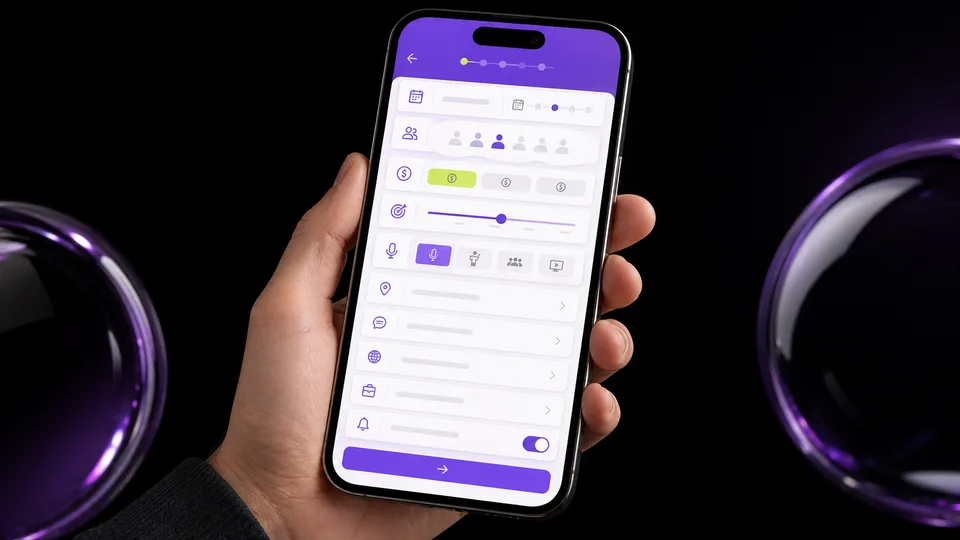
You've identified your top choice. Here's how to close the deal.
Step 1: Make initial contact. On a platform, send a direct message or booking request. Through a bureau, your agent handles this. Include your event date, location, format, audience size, and topic — the more detail, the faster you'll get a response.
Step 2: Discuss customization. The best keynotes are tailored. Share your event theme, audience challenges, and any specific messages you want reinforced. Ask the speaker how they'd approach your audience differently from a generic conference.
Step 3: Agree on terms. Clarify fee, travel arrangements, recording rights, and cancellation policy. Will the speaker provide slides? Do you have permission to record and share the talk? What happens if the speaker cancels? Get everything in writing.
Step 4: Sign the contract. Whether it's a formal contract through a bureau or a booking confirmation on a platform, make sure both parties have a signed agreement covering all logistics and expectations.
Step 5: Pre-event coordination. Two to four weeks before the event, schedule a preparation call. Share final audience details, any agenda changes, and technical setup information. Confirm travel arrangements and on-site logistics.
When to start searching:
- 12+ months out: Ideal for celebrity or top-tier speakers
- 6–9 months out: Good for professional speakers
- 2–3 months out: Workable with platforms that offer AI matching
- Under 4 weeks: Challenging, but AI-powered platforms can surface available speakers within hours
If you're short on time, post a speaker request on SpeakUp and let AI matching find available speakers who fit your criteria — most requests receive responses within 24 hours.
FAQ
How far in advance should I book a keynote speaker?
For top-tier or celebrity speakers, start 6–12 months before your event. Professional speakers are often available with 2–4 months' notice. If you're in a rush, AI-powered platforms like SpeakUp can match you with available speakers within hours — some organizers have found and confirmed keynote speakers in as little as 48 hours.
Can I find a keynote speaker for a virtual event?
Yes. Most professional speakers now offer virtual keynotes, and many have invested in professional home studios with high-quality audio and video. When evaluating speakers for virtual events, prioritize those with demonstrated experience in online presentations — virtual delivery is a different skill from in-person speaking. Look for speakers who use interactive elements like polls, Q&A, and breakout discussions to keep remote audiences engaged.
What's the difference between a speaker bureau and a speaker platform?
A speaker bureau is an agency that represents a curated roster of speakers, handles bookings, and charges a commission (typically 20–30%). A speaker platform is an open marketplace where you can search, filter, and contact speakers directly — usually with no commission. Bureaus offer concierge service and are best for premium events. Platforms offer wider selection, faster results, and lower costs, making them the better choice for most events.
How do I negotiate speaker fees?
Be transparent about your budget from the start. Many speakers have flexible pricing depending on the event — a 2-hour corporate training pays differently than a 30-minute luncheon keynote. You can negotiate on travel (combining with another event nearby), format (virtual vs. in-person), or add-ons (workshop, book signing, meet-and-greet). Posting a request on a platform with your budget range is another effective approach — speakers who are interested will apply at a fee that works for both sides.